

A work horoscope is a short astrological forecast applied to your job, built from the houses tied to daily tasks, authority, and money rather than just your sun sign. It will not tell you whether to quit or whether a coworker likes you. At best it flags timing windows and recurring friction points worth checking against what is actually happening at your desk.
As of November 16, 2026, Mars sits late in Leo and is about to shift into Virgo on November 25, 2026, based on ephemeris positions from astro.com. That ingress touches the sixth house for many charts, the house tied to routines, coworkers, and daily grind, so friction that was building often gets more concrete around that date.
What Is a Work Horoscope, Exactly?
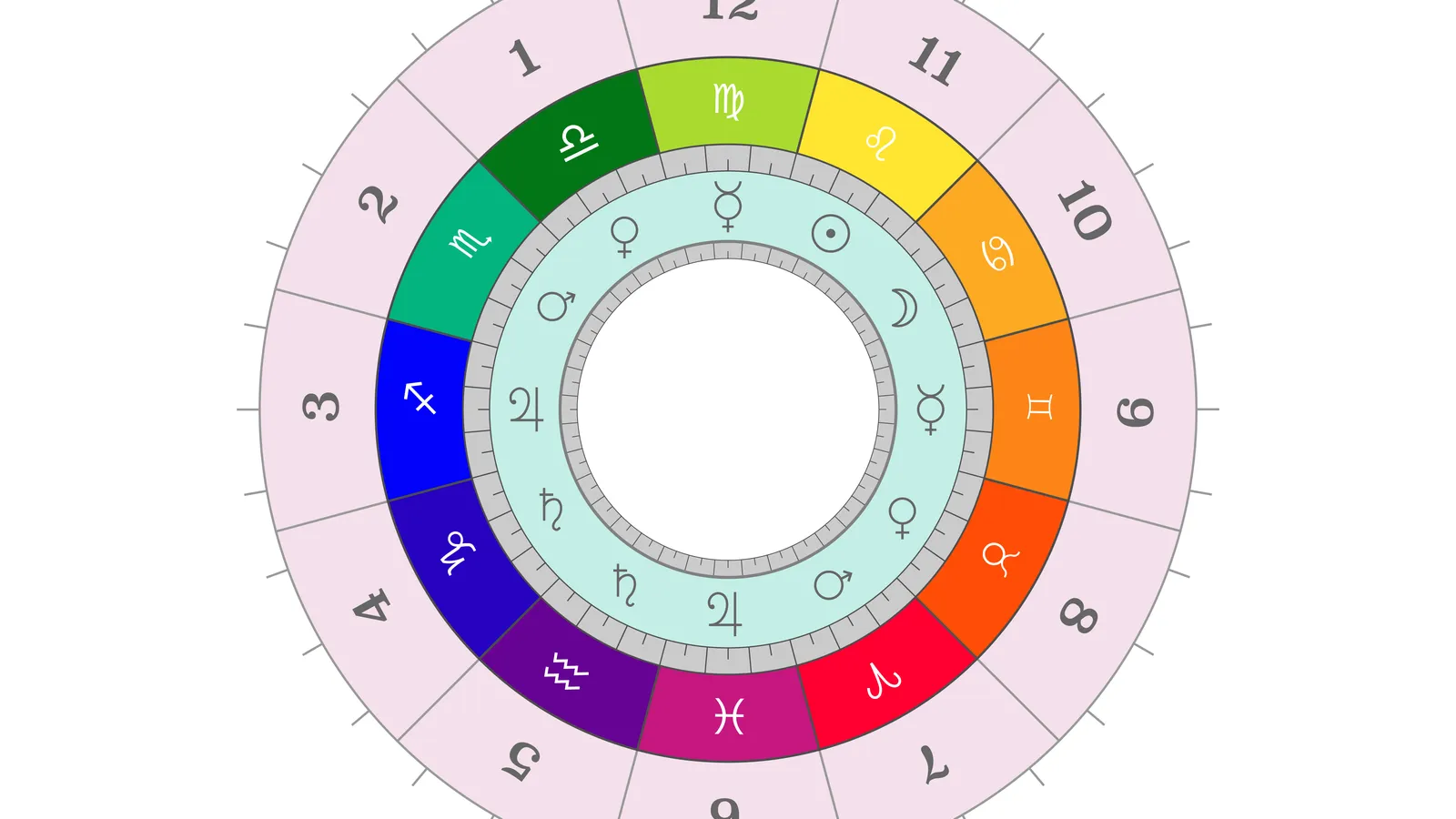
A work horoscope narrows a full birth chart down to two zones that matter most for jobs. A house in astrology is one of twelve sky sections tied to a life area, and the sixth house covers daily routines and coworkers while the tenth covers career and public reputation. Most generic daily horoscopes only glance at your sun sign, which skips both houses entirely.
That gap is why a sun-sign forecast can feel irrelevant on a bad Tuesday. Your actual work pressure usually traces back to whatever planet is currently transiting your sixth or tenth house, not to a one-line blurb written for 400 million people born under the same sign. The decision hub on this site breaks down job-specific questions one at a time instead of lumping them under one forecast.
How Does an Astrologer Actually Read a Work Chart?
A transit is the current position of a planet compared to where it sat at your birth, and most work-chart reading tracks transits against the sixth and tenth houses. An aspect is the angle between two planets, such as a square at 90 degrees or an opposition at 180 degrees, and tighter aspects usually mean more pressure. None of this names a cause by itself; it names a window.
Saturn is the planet most tied to structure and limits, and its cycle gives a concrete example. When Saturn squares your natal Saturn, which happens around age 21 to 22 and again near 36 to 37, work structures often feel tested rather than broken. That is a timing pattern, not a verdict on your job.

Why Does a Coworker Keep Taking Credit for My Work?
This question has a workplace answer first and a chart overlay second. Credit theft is usually about visibility gaps, unclear reporting lines, or a manager who does not track contribution closely, and no transit creates those conditions on its own. A chart can describe tension, such as Mars or Mercury making a hard aspect to your tenth house around a review cycle, which can coincide with louder competition for recognition.
The astrology here is descriptive, not diagnostic. It can point to a stretch where assertiveness pays off or where documentation matters more than usual. For the behavioral side of this exact problem, the piece on toxic coworker signs worth tracking lays out patterns to watch before blaming a planet.
How Do You Deal With a Coworker Who Undermines You?
Undermining behavior is a pattern you can document: contradicted instructions, excluded meetings, repeated interruptions in front of a boss. A chart reading will not resolve that pattern, and no reading replaces a direct conversation or an HR record. What a chart can add is timing context, since some stretches carry more interpersonal heat than others.
Mars transits through the sixth or seventh house, the house of partnership and face-to-face dealings, often line up with sharper office conflict. That does not mean the other person is “destined” to act that way. It means friction that was already present may surface more plainly during that window, which is useful for picking when to raise an issue. The article on why a coworker might act hostile goes further into the behavioral side.

What Does Coworker Gossip Have to Do With Astrology?
Gossip is a social dynamic, not a planetary one, and treating it as purely astrological misses the point. Mercury, the planet tied to communication, going retrograde is sometimes blamed for rumor cycles, but Mercury retrograde does not invent gossip where none existed. It can coincide with miscommunication getting repeated and distorted faster than usual.
If you are dealing with active gossip, the chart’s role is limited to flagging a noisy stretch, not naming who is talking. Pair that timing awareness with plain workplace steps: confirm facts directly, limit what you share informally, and keep decisions about escalation separate from any forecast.
Is There Such a Thing as Coworker Compatibility?
Compatibility between coworkers can be read the same way as romantic synastry, comparing two charts for easy and hard aspects between planets. Synastry is the comparison of two birth charts to see how planets interact between them. A smooth Venus-to-Venus aspect between two people’s charts might line up with easy rapport, while a tense Mars-to-Saturn aspect might line up with one person feeling constantly checked by the other.
This is a descriptive tool, not a hiring filter and not a reason to avoid someone. Work compatibility still depends mostly on shared goals, clear roles, and basic professionalism. The page on the dynamic between you and a difficult manager applies the same comparative approach to boss relationships specifically.
When Should You Check Your Work Horoscope for Timing?
Timing windows are the part of a career forecast that holds up best, because they come from measurable planetary positions rather than interpretation alone. The table below lists six transits between November 2026 and November 2027 that touch work-related signs, based on the ingress data referenced earlier. Use it as a rough calendar, not a countdown to a fixed result.
| Date | Planet | Sign entered | What it can signal at work |
|---|---|---|---|
| November 25, 2026 | Mars | Virgo | Energy shifts into routines and fine detail, workload can feel more granular |
| February 21, 2027 | Mars | Leo | Push toward visibility and recognition, assertiveness tends to rise |
| May 14, 2027 | Mars | Virgo | Second pass through the routine sign, a chance to reassess work habits |
| July 26, 2027 | Jupiter | Virgo | Jupiter's yearly entry into the work-and-routine sign, broader growth in daily tasks |
| September 1, 2027 | Mars | Scorpio | Focus moves to shared resources and negotiation, office politics can sharpen |
| November 25, 2027 | Mars | Capricorn | Energy lines up with structure and authority, reporting lines get more attention |
These six windows are worth a glance if you are deciding when to raise a difficult issue or start a new routine. They are not permission slips and not warnings to avoid. For moon-phase and eclipse dates that affect shorter-term timing, timeanddate.com tracks the exact schedule separately from this table.
Should You Trust a Daily Career Forecast for Big Decisions?
A daily sun-sign forecast is written for an entire twelfth of the population and cannot account for your tenth house, your current Saturn cycle, or your actual manager. Treat it as light entertainment, not evidence for a resignation letter or a confrontation script. The sixth and tenth house transits covered above carry more specific information, but even those describe pressure, not outcomes.
No reading can tell you that a promotion is assured or that a difficult coworker will change. Theo Lang’s approach to work astrology treats these readings as a way to separate what is actually a workplace problem from what is a timing coincidence, before anyone jumps to a career decision. Start with the problem, then check the timing, in that order.
If you are weighing something bigger than one tense week, the full decision hub collects the other job-specific questions this site answers, from raises to resignations. A chart reading is one input among several, useful for context and nothing more.
If the real question behind all this is whether to leave the job entirely, Should I Take the New Job? walks through that decision on its own.