

What Is a Toxic Coworker, Exactly?
A toxic coworker is someone whose behavior repeatedly damages your work, not just a person you find irritating once in a while. Typical patterns include undermining your credibility, taking credit for your work, spreading gossip, or shifting blame when things go wrong. The pattern, not a single bad day, is what confirms whether this is a real problem or ordinary office friction.
A toxic coworker repeats behavior that erodes trust, fairness, or your standing on a team. This is different from someone who is simply blunt, having a rough week, or disagreeing with your approach once.
Common signs include persistent credit-stealing, passive-aggressive comments in meetings, selective exclusion from information, and shifting expectations after the fact. Another sign is triangulation, where someone talks about you to others instead of to you. A single bad interaction is not a pattern. Three or more repeats of the same behavior usually is.
If this sounds like it is coming from someone with authority over you rather than a peer, the dynamic shifts. You may be dealing with something closer to what is described in toxic boss signs and the patterns behind them, which covers power imbalance specifically.
Why Does My Coworker Seem to Hate Me?
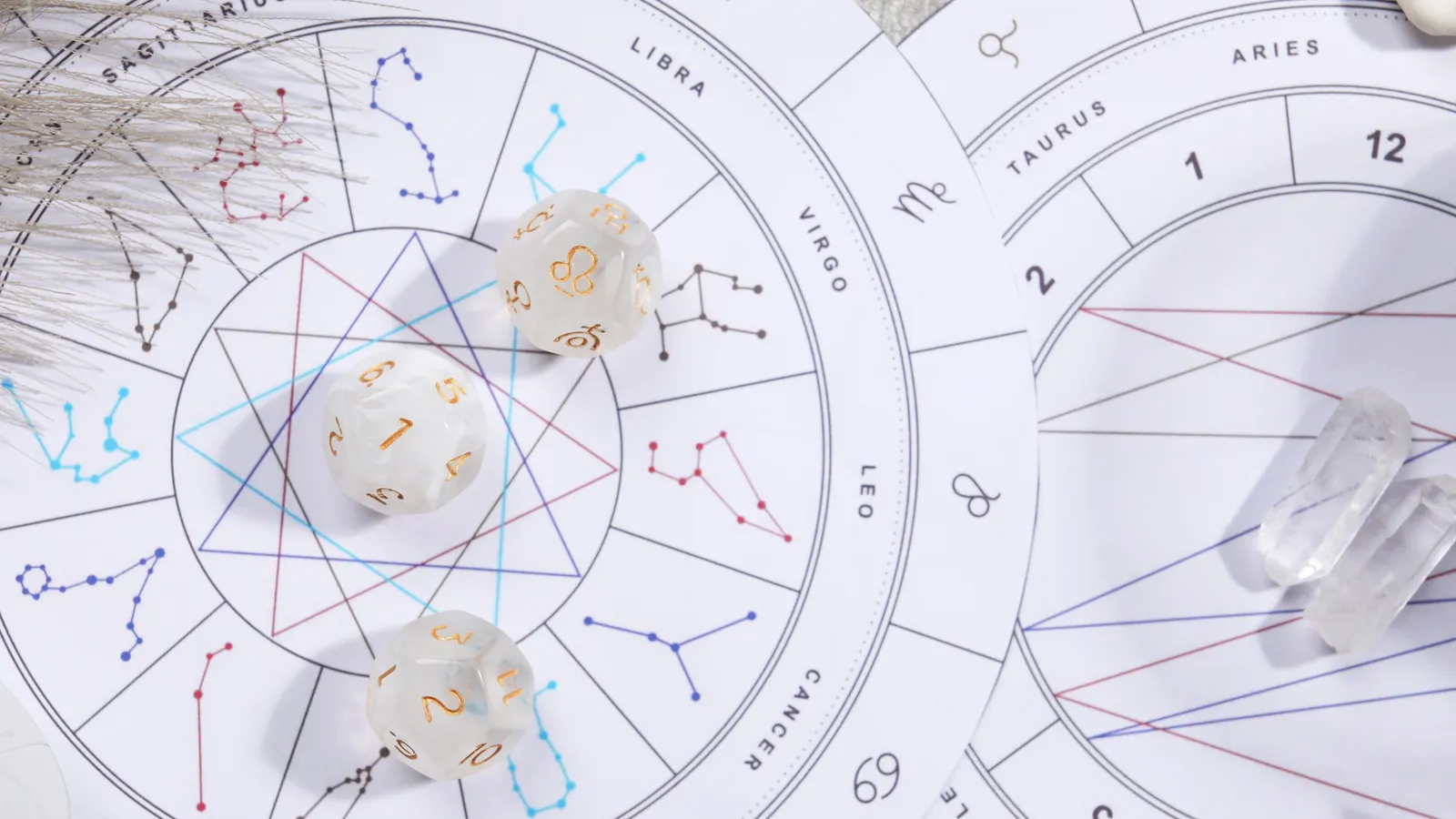
Workplace resentment rarely has a single cause, and astrology cannot diagnose another person’s motives. What a chart can do is show when friction around you tends to intensify, based on your own transits, which are the current positions of planets compared to your birth chart.
The 6th house, one of the twelve divisions of a natal chart, governs daily work routines and the people you deal with constantly. The 7th house governs one-to-one relationships, including the ones you did not choose. When transiting planets activate either house, interpersonal tension at work often becomes harder to ignore.
One pattern worth naming: when Saturn squares your natal Saturn, which happens around ages 36 to 37 (Saturn is the planet linked to structure, limits, and accountability, and a square is a 90-degree tension angle between two planetary positions), old workplace dynamics that were tolerable before can start to feel unbearable. This does not mean a colleague “hates” you. It often means your own tolerance for unfair treatment is running out at the same time the behavior is escalating.

How Do You Deal With Someone Who Undermines You?
Dealing with undermining starts with documentation, not confrontation. Write down dates, what was said, and who else was present, before you decide on a response.
Separate the pattern from any single incident. One sharp email is not proof of sabotage, but five patterns of being left off threads before big meetings is data worth acting on.
If the undermining comes from someone with influence over your reviews or assignments, raise it with HR or your manager using specific examples, not general complaints about “vibes.” For a structured way to assess whether the issue sits above you rather than beside you, see how to deal with a difficult boss using a clearer framework.
Confronting the person directly can work, but only after you have evidence and a calm moment, not mid-conflict. State the specific behavior and the impact, then stop talking and listen.
Is This a Difficult Colleague or a Pattern Problem?
A difficult colleague is someone whose style clashes with yours: blunt, slow to respond, overly competitive, or rigid about process. This is uncomfortable but usually survivable with better boundaries or communication, and timing can matter too, as explored in what astrology reveals about timing with a difficult coworker.
A pattern problem means the behavior repeats regardless of how you adjust your approach, and it specifically damages your standing, workload, or reputation. The table below separates the two so you are not stuck guessing.
| Signal | Difficult Colleague | Pattern Problem |
|---|---|---|
| Frequency | Occasional, situational | Repeats across weeks or months |
| Target | Not personal, affects most people equally | Appears aimed specifically at you |
| Impact | Mild friction, resolves with direct talk | Damages credibility, reviews, or workload |
| Response to feedback | Adjusts somewhat over time | Denies, deflects, or escalates |
If most rows land on the right side, you are not imagining things. A one-time apology from this person is unlikely to fix a pattern.

What Does Your Chart Say About Workplace Timing in 2027?
As of October 19, 2026, no chart can tell you exactly when a specific conflict with a colleague will resolve. What it can show is when the general planetary weather around conflict and cooperation shifts, based on positions verified through resources like astro.com’s ephemeris tables.
Mars rules direct conflict and assertiveness. Its sign changes in 2027 mark periods when friction at work tends to surface faster, for better or worse. The table below lists confirmed Mars ingresses for the year.
| Date | Transit | General Workplace Flavor |
|---|---|---|
| February 21, 2027 | Mars enters Leo | Ego-driven clashes, visibility disputes |
| May 14, 2027 | Mars enters Virgo | Criticism sharpens, nitpicking increases |
| July 15, 2027 | Mars enters Libra | Conflict avoidance, passive-aggressive tension |
| September 1, 2027 | Mars enters Scorpio | Power struggles, hidden agendas surface |
| October 15, 2027 | Mars enters Sagittarius | Blunt confrontations, less patience for games |
These five shifts are not guarantees of drama. They mark when the background energy around assertiveness and conflict changes tone, which can make existing tension more visible rather than create new problems from nothing.
Jupiter, the planet of growth and expansion, enters Virgo on July 26, 2027, directly activating themes tied to the 6th house of daily work. This can bring either more workload or more scrutiny of how work gets done, depending on your existing chart.
Should You Report, Confront, or Leave?
The interpersonal problem and the career decision are two separate questions, and conflating them leads to bad timing. First, solve the immediate problem: document, confront with evidence, or escalate to HR if the behavior affects your performance record.
Only after that process plays out should you ask the bigger question: does this job, this team, or this company still make sense for you. A difficult colleague you cannot avoid is a different problem than one your manager refuses to address.
If the second scenario describes your situation, the real issue may be leadership, not personality. Compare what you are seeing against bad boss signs worth tracking before they cost you or signs your boss actually wants you to quit, since those patterns often explain why a colleague problem never gets fixed.
If the exhaustion from this situation has started to feel physical, not just annoying, it is worth checking against what a burnout score actually means before assuming the fix is quitting outright.
For a wider framework on separating a workplace problem from a career decision, the career decision guides section breaks this down step by step. You can also read more about how Theo Lang approaches work and vocational astrology, or start from the Should I Really Quit homepage if you are weighing more than one issue at once.
how can you tell if a coworker is toxic?
You can tell by pattern, not by a single bad interaction: repeated credit-stealing, gossip, or shifting blame that specifically targets your standing. Three or more repeats of the same behavior is a reasonable threshold. Astrology cannot confirm someone’s intent, but transits to your 6th or 7th house can show when friction around daily work or one-to-one relationships tends to intensify, which may explain why the pattern feels harder to ignore right now.
how do you know if a coworker is toxic?
You know by frequency and target, not by how one conversation went. If the behavior repeats across weeks, affects your workload or credibility, and gets denied or escalated when raised, that is a pattern problem rather than a personality clash. A transit activating your 6th or 7th house can coincide with tension feeling more intense, but that timing explains visibility, not whether the behavior itself is actually toxic.
how do you handle a toxic coworker?
Handle it by documenting specific incidents first, dates, words, witnesses, before deciding whether to confront, escalate, or both. A calm confrontation naming the behavior and its impact works better than reacting mid-conflict, and HR needs examples rather than general complaints. Saturn transits around the mid to late thirties often coincide with lower tolerance for this kind of dynamic, which can be useful for timing your response, not an excuse to skip the documentation step.