

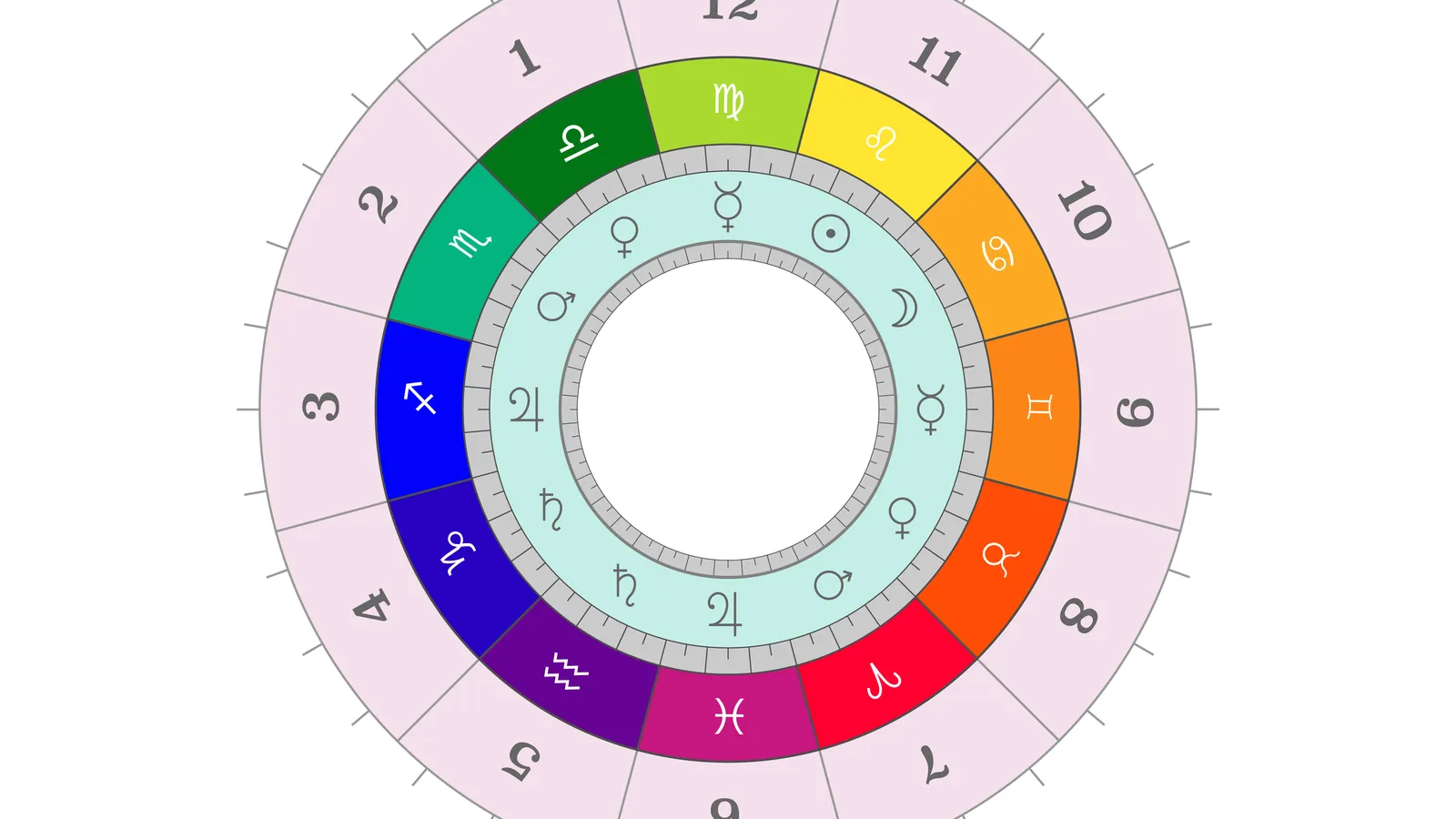
Your boss might hate you because of a real pattern, like missed deadlines or clashing communication styles, or because of something less personal: their own stress, a reporting change, or a projection that has nothing to do with your work. Before guessing at astrology, separate the concrete problem from the feeling of being disliked. Chart data can describe timing and friction points, but it cannot confirm what is actually happening between you and your boss.
Why does my boss hate me?
Start by naming the problem before naming a cause. “Hate” is a strong word for what is often tension, miscommunication, or a personality clash that feels personal because it is constant.
Ask three questions. Has your boss given specific feedback, even harsh feedback? Has your role, team, or their own job changed recently? Is the behavior aimed only at you, or is your boss short with everyone right now?
If you cannot answer these, you are reacting to a feeling, not a pattern. That matters, because the fix for a feeling is different from the fix for a documented performance issue. The Me and My Boss: What Astrology Says About the Dynamic piece breaks down how to read the working relationship itself, separate from the mood of any single week.
In chart terms, the 10th house describes your career and public role, and the 6th house covers daily work routines and the people you report to. Tension between a boss and employee often shows up as friction between planets ruling these houses in each person’s chart. That is a description of style conflict, not proof of hostility.
Is there a reason, or does it just feel that way?
“No reason” usually means no reason you can see yet. Bosses rarely explain their irritation in full, and plenty of workplace tension starts above your head, in budget meetings or performance reviews you never attend.
Mars transits can describe periods when friction rises generally, not because of one specific offense. Mars ruling action and conflict moving through a sign connected to your 6th or 10th house can coincide with short tempers on both sides. Mars enters Virgo on November 25, 2026, a sign tied to daily work and precision, which can sharpen criticism in workplaces generally during that window.
This pattern is not proof of a personal grudge. It is a climate description. If the tension started before that date, look at calendar events at your workplace instead: layoffs, reorganizations, or a new project your boss is accountable for.

Why did this shift suddenly?
A sudden shift usually traces to a sudden event. Something changed, even if nobody told you directly: a budget cut, a complaint from someone else, a bad outcome your boss had to answer for.
Review the last four to six weeks before you look at planets. Did a project fail? Did you miss a meeting that mattered more than it seemed? Did someone else on the team get blamed, with you caught in the spillover?
Astrologically, Venus changes sign often, roughly every three to four weeks, and each shift can alter the tone of workplace relationships for a short stretch. Venus entered Scorpio on December 4, 2026, a sign that can intensify suspicion and reduce small talk. That is a short window, not a verdict on the relationship.
Is my boss toxic, or is this something else?
Toxic is a specific pattern, not a mood. It usually means repeated behavior: public humiliation, moving goalposts, taking credit for your work, or punishing you for things outside your control.
A boss who is simply difficult, blunt, or distracted is not automatically toxic. The distinction matters because toxic patterns often need an exit plan, while a rough patch may resolve with direct conversation or time.
The Toxic Coworker Signs: The Patterns You Should Track article lists concrete markers worth tracking over weeks, not days. If you recognize three or more of those patterns consistently, this is not a chart question. It is a documentation and exit-planning question, and How to decide what to do next walks through that kind of decision directly.

Why does my boss ignore me instead of engaging?
Ignoring is a different problem than hostility, and it is worth naming separately. Silence can mean disengagement, overload, or a boss who has mentally checked out of managing you closely.
It can also mean avoidance: some managers go quiet when they are uncomfortable giving feedback, rather than confront an issue directly. Being overlooked is not proof of dislike; it may be proof they dislike conflict more than they dislike your work.
If being ignored is costing you visibility, promotions, or raises, that is a practical problem worth addressing directly, independent of why it is happening. The Should I Ask For A Raise? What To Check Before You Do piece covers how to read whether you have enough standing to ask, even under a quiet or distant boss.
What are the signs your boss actually respects you?
Respect and warmth are not the same thing, and bosses who respect you are not always friendly about it. Look for consistent markers instead of tone.
Being given harder assignments, being asked your opinion before decisions, or being defended in meetings you did not attend are stronger signals than compliments. A boss who corrects you privately but credits you publicly usually respects your work even if they are not warm in daily interactions.
The Signs Your Boss Likes You: Real Workplace Clues to Watch article lists behavioral signals in more detail, useful if you are trying to separate style from substance. Contrast that with the signs covered in Signs Your Boss Is Threatened by You at Work, since threatened and hostile often look similar on the surface but come from different sources.
Why is a coworker also acting cold toward me?
If tension is showing up with a coworker as well as your boss, the pattern is probably about reading hostility into ambiguous behavior, or about a wider team problem, not two unrelated personal conflicts. Both explanations are common, and both are worth ruling out before assuming you are the common denominator in a bad way.
Team-wide stress, a reorganization, or a shared deadline can make several people short-tempered at once, which can look like a coordinated dislike when it is really shared pressure. The Difficult Coworker? What Astrology Reveals About Timing article covers how to separate a personal clash from a general bad stretch at work.
When does workplace tension around your chart tend to shift?
Timing windows in astrology describe periods of likely friction or ease, not guaranteed events. These are based on planetary transits, meaning the ongoing movement of planets relative to your birth chart, as described on reference ephemeris sources like astro.com.
| Date | Event | Possible workplace theme |
|---|---|---|
| November 25, 2026 | Mars enters Virgo | Sharper focus on detail and process; criticism can rise generally |
| December 4, 2026 | Venus enters Scorpio | Less small talk, more guardedness in professional relationships |
| February 21, 2027 | Mars enters Leo | More visible conflict over credit, recognition, or leadership style |
These three windows are the ones worth watching if you already suspect tension is building, not proof that anything will happen on those exact dates. A longer-arc example: when Saturn squares your natal Saturn, which happens around age 21 to 22, 36 to 37, or 51 to 52, career relationships often get tested harder than usual, including with authority figures like bosses. That is a multi-year pattern, not a single bad week.
Is this a passing stage or a real mismatch?
Some tension is situational and temporary, tied to a project, a deadline, or a transit window like the ones above. Other tension is structural, meaning it reflects a mismatch in values, communication style, or expectations that will not resolve with time alone.
Ask whether the friction eases when the external pressure eases, like after a deadline passes or a reorg settles. If it does, this was likely circumstantial. If the tension persists regardless of outside conditions, you are probably looking at a genuine mismatch, which is a different and harder problem to solve.
If you are weighing whether to stay through this, Should I Take the New Job? Name the Real Problem First and Should I Take the Job? What Your Chart Really Says both walk through how to separate a bad week from a bad fit before making a move. Theo Lang’s approach, outlined on the About Theo Lang page, treats chart data as a lens on timing and pattern, never as a verdict on another person’s feelings toward you.
As of November 8, 2026, the practical move is still the same one: separate the documented problem from the feeling, check the calendar against the transit table above, and decide what, if anything, needs a direct conversation.