


As of October 19, 2026, narcissistic boss signs include taking credit for your work, punishing honest disagreement, demanding constant praise, and shifting blame the instant something goes wrong. These patterns combine charm aimed upward with control aimed downward. This page separates the behavioral pattern itself from the career decision that follows, because naming the pattern is not the same as deciding what you do next.
What Are the Clearest Narcissistic Boss Signs?
A narcissistic manager treats feedback as a threat and treats praise as fuel. The pattern tends to repeat across three areas: credit, blame, and control.
Credit theft shows up when your ideas get repeated in meetings as “my” idea with no acknowledgment. Blame shifting shows up when a shared mistake somehow becomes your mistake alone, documented in an email trail that conveniently starts after the decision was made. Control shows up as micromanagement paired with public inconsistency, where the rules change depending on who is watching.
None of this requires a diagnosis, and this page does not offer one. What matters practically is the pattern’s consistency over weeks and months, not a single bad meeting. If you want a broader behavioral checklist beyond the narcissism angle, the bad boss pattern guide covers related red flags that overlap with but are not identical to narcissistic traits.
How Do You Know If Your Boss Likes You?
A boss who likes you in a healthy, working sense gives you visibility without demanding gratitude for it. Liking looks consistent whether or not an audience is present, and the real workplace clues to watch can help you tell genuine regard from performance.
Watch for three markers: they defend your work in rooms you are not in, they give you stretch assignments without strings attached, and they correct you privately rather than publicly. If the warmth only appears when it benefits their image, that is closer to strategic use of you than actual regard.
With a narcissistic boss, apparent liking can flip fast. One week you are the favorite, the next you are the target, often with no clear trigger on your end. That instability itself is a sign worth naming separately from ordinary workplace variation.
What Does It Mean If Your Boss Is Threatened by You?
A threatened boss often responds to your competence with subtle sabotage rather than open conflict. The behavior is usually indirect because direct conflict would expose the insecurity driving it.
Common moves include leaving you out of meetings where your work is discussed, giving your projects to someone else at the last stage, or offering backhanded praise that undercuts the achievement in the same sentence. These patterns intensify after a visible win on your part, not before it.
This differs from narcissistic behavior in degree more than kind. A narcissistic boss is threatened by anyone’s competence as a matter of course. A boss who is only occasionally threatened may still be capable of fair treatment most of the time, which matters when you weigh whether the role is salvageable.
How Can You Tell If Your Boss Actually Respects You?
Respect from a manager tends to be boring in a good way. It shows up as consistency, not grand gestures.
A respectful boss gives you real deadlines instead of fake urgency, asks your opinion before a decision instead of after, and lets you make mistakes without turning them into character judgments. They also tolerate pushback without retaliation, which is the clearest single test available.
If you consistently brace before raising an objection, that bracing is informative. Chronic anticipatory anxiety before routine conversations is a pattern worth naming on its own terms, separate from any single incident. The toxic boss astrology guide goes further into how these dynamics tend to repeat with specific manager types.

Does a Boss’s Zodiac Sign Explain Their Behavior?
A boss’s zodiac sign, meaning the sun sign calculated from their birth date, is one data point among many and never the whole story. Sun sign alone does not predict narcissism or kindness.
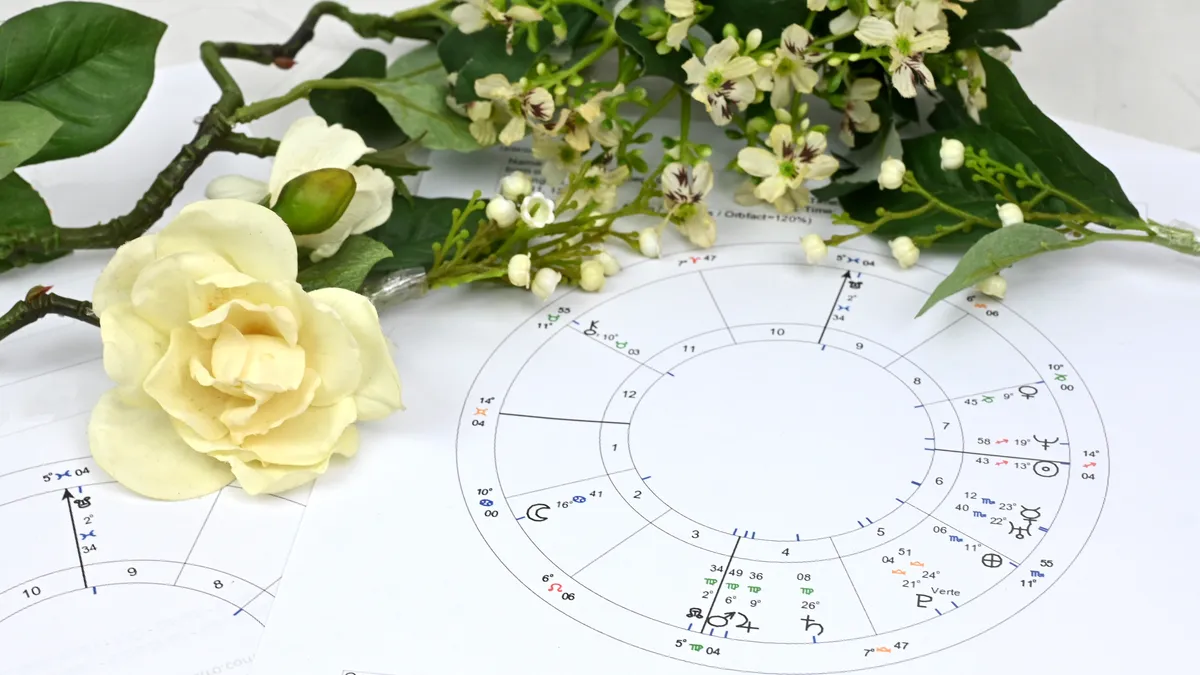
What matters more in a full chart reading is placement by house and aspect. The 10th house governs career and public role, and a boss with difficult aspects to planets there may struggle more with ego and image management on the job regardless of sun sign. The 6th house governs daily work routines, and tension there often shows up as inconsistency in day-to-day management style.
In my own method, I look at where someone’s natal Saturn sits and how it is aspected, since Saturn relates to authority and control. Someone experiencing a hard Saturn transit, for example when Saturn squares their natal Saturn, which happens around ages 36 to 37, may be managing from a place of personal pressure that spills onto a team. That is a possible contributing factor, not an excuse and not a diagnosis. For verified planetary positions and the dates behind any transit claim, the ephemeris data at astro.com is a reliable public reference.
Below is a general comparison of patterns, not a diagnostic tool. It is meant to help you sort what you are observing, not to label a specific person.
| Behavior Area | Narcissistic Pattern | Demanding but Fair Pattern |
|---|---|---|
| Credit | Takes credit consistently, denies team contribution | Shares credit, names contributors by name |
| Feedback | Treats disagreement as disloyalty | Invites pushback, adjusts when shown evidence |
| Mistakes | Shifts blame downward, avoids documentation | Owns mistakes, documents decisions openly |
| Consistency | Rules shift depending on audience | Standards stay steady whether or not anyone is watching |
| Praise | Demands admiration, reacts badly without it | Accepts thanks without requiring it |
Should You Decide to Stay or Leave a Narcissistic Boss Situation?
This is the decision question, and it is separate from the diagnostic question above. Naming the pattern tells you what you are dealing with. It does not tell you what to do with your specific finances, tenure, or options.
A few practical things tend to matter in this decision: how replaceable your income source is right now, whether HR or a skip-level manager has any real power in your company, and whether the pattern is escalating or stable. None of these are astrological questions, and no chart reading replaces that kind of practical accounting.
Where chart work can add something is in timing. If you are weighing an exit, the career horoscope timing guide walks through how outer planet transits tend to correlate with job change windows, without promising any specific outcome. For a wider framework on separating the problem from the decision, the career change decision guide is built around exactly that distinction, and the decision hub collects related guides on bosses, burnout, and timing in one place.
I approach this work the way I describe on my background page: skeptically, with the chart as one input among several, never as a verdict. The home page has an overview of how these written readings work if you want context before reading further.
Should I Quit Reading